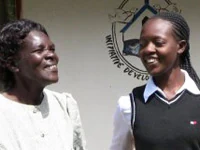
AMURT’s operations in Kenya empower members of the community to care for those affected by HIV, prevent its spread, and create opportunities for progress. The Home-Based Care program centers around helping those who are living with AIDS or HIV while the OVC and Youth programs focus on equipping the country’s forthcoming generations with the knowledge and tools to succeed.
Caring for the Infected
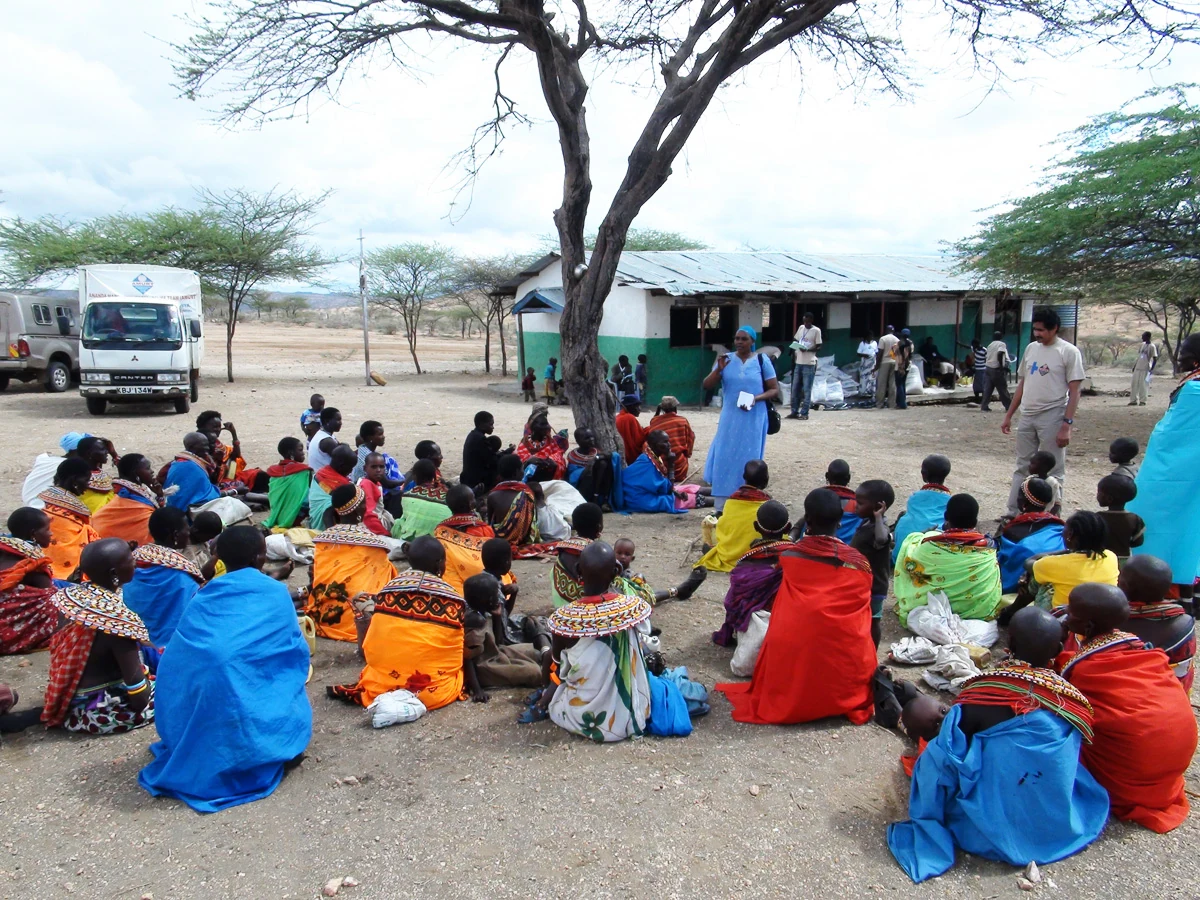
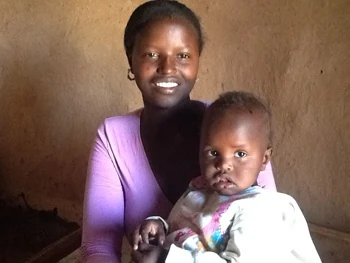
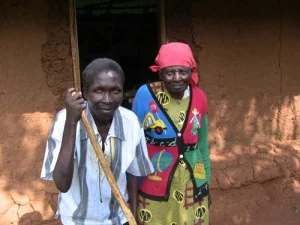
AMURT’s care and support program extends to people living with AIDS (PLWA). The 120 home based care providers we trained in 2009 are now visiting up to 10 PLWA on a weekly basis, providing them with nursing care, nutritional education, counseling and support, and, very importantly, making sure they are taking their medicine on time. This alone can make a huge difference in a person’s life. Elisha Oteno (pictured right), who lives in Konuonga village, is now adhering to the prescribed treatment regimen, and can walk with a stick after being bedridden for weeks. Read more.
Supporting Orphans and Vulnerable Children
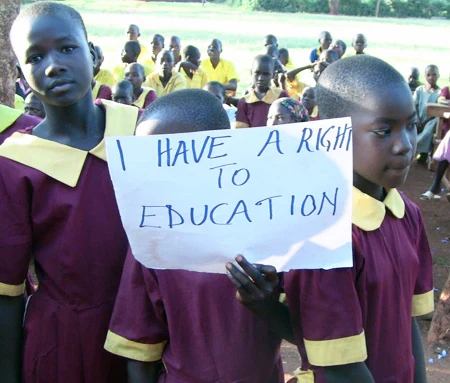
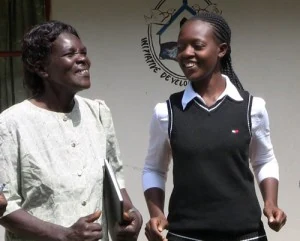
One of AMURT’s primary goals is to keep children in school by providing resources such as uniforms and school supplies, and by monitoring their attendance. In addition, AMURT provides opportunities for the children to engage in healthy social interaction. This is achieved by hosting a monthly “fun day,” to which 99% of children in the program come to engage in a variety of fun and creative activities, gain knowledge about life skills, and receive medical checkups. Most important is a network of community volunteers who assume responsibility for the children in their village. These volunteers take responsibility for several orphans and vulnerable children, building sustainable relationships by visiting them at home and school, providing medical referrals and addressing problems as they arise. One guardian recently surveyed said that her child takes schoolwork more seriously now that someone is showing an interest in his success. Read more.

Building Youth’s Capacity to Fight HIV
To fight the spread of HIV and AIDS among youth aged 15 to 25, AMURT has created a program revolving around education, skills-building, income-generation and healthy social interaction. This generation will be the largest one yet for Kenya, and many are excited to better themselves and their communities while becoming active leaders in defeating the HIV pandemic.
135 peer educators have been trained to spread information to their contemporaries, advocating both abstinence and safe sex, encouraging testing for HIV status, and distributing condoms to those who want them. Around 40,000 condoms were distributed this year by AMURT’s PEs, and more demand is created every day by informational sessions hosted at schools, prisons and elsewhere in the community. They also work hard to reach the masses by setting up events like soccer tournaments that draw thousands of spectators, or recording original hip hop songs with positive messages. An achievable goal for the program’s next step is to further train peer educators to administer HIV tests at the AMURT youth centers. Read more.
Published July 28, 2011. Updated May 16, 2017. Figures and conditions reflect the original reporting period. View the original AMURT report.